
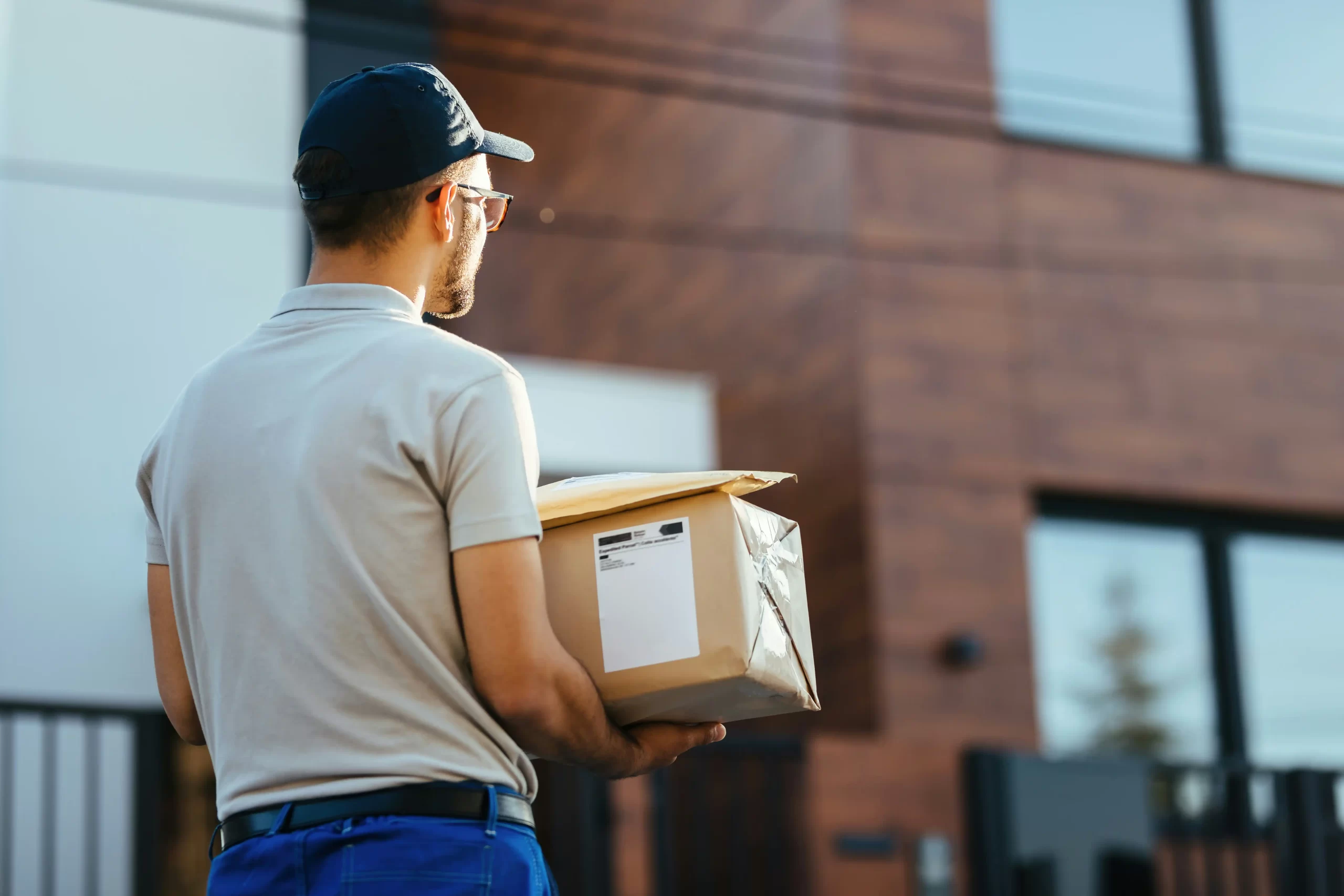
If your business sells products, delivery and postage costs can look simple at first. You charge the customer for the item, add a delivery fee, post the goods and move on. The problem is that VAT does not always follow the way the charge looks on your invoice.
For many UK businesses, especially online shops, retailers, wholesalers, sole traders and small companies, mistakes often happen because postage is treated as a small admin cost rather than part of the VAT calculation. A few pounds here and there may not feel like much, but across hundreds of orders, the errors can build up quickly.
If you are VAT registered, you need to know when VAT applies to delivery, postage and packaging, how to show it on your invoices and what to record on your VAT return. Working with a VAT return accountant can help you avoid small errors turning into bigger HMRC problems.
Why delivery VAT causes so much confusion
The confusion usually starts with Royal Mail. Some Royal Mail services, such as standard 1st and 2nd Class stamps, are exempt from VAT. Many business owners then assume that if they use Royal Mail, they do not need to charge VAT to their own customer.
That is not always correct.
There is a difference between the postage cost you pay and the delivery charge you make to your customer. Even if Royal Mail does not charge you VAT on the postage, your own delivery charge may still need VAT depending on what you are selling and how the delivery is arranged.
Need Help With Your Accounts Or Tax?
Whether you need support with self assessment, VAT returns, payroll, bookkeeping, CIS, company accounts or corporation tax, Asmat & Co Accountants can provide clear, practical advice for your business or personal finances.
For example, if you sell a standard-rated product for £50 and charge £5 delivery, the delivery charge will usually follow the VAT treatment of the goods if delivery is part of the sale. That means VAT may apply to the full amount charged to the customer.
Mistake 1: Assuming Royal Mail postage is always VAT-free
Royal Mail’s VAT exemption applies to certain postal services supplied by Royal Mail under the universal service rules. It does not automatically mean your customer-facing postage charge is exempt.
Let’s say you buy stamps for £3 and charge your customer £3 for postage. You may think there is no VAT because you are simply passing on the exact cost. However, if the postage is part of your sale of taxable goods, your charge to the customer may still be taxable.
This is one of the most common mistakes in ecommerce, especially where businesses sell low-value items and use standard postal services. If you are unsure how this applies to your setup, professional VAT return filing services can help you check whether your invoices and checkout settings are treating postage correctly.
Mistake 2: Treating packaging as separate from the sale
Packaging is another area where small errors happen. If you charge customers a separate amount for packaging, handling, packing materials or fulfilment, you need to consider the VAT treatment.
In many cases, packaging is part of the overall supply of goods. If you sell standard-rated goods, the packaging charge will normally be standard-rated too. If you sell zero-rated goods, the treatment may depend on whether the charge is part of the delivered goods or an optional separate service.
For example, if you sell standard-rated homeware for £80 and add £4.99 for packaging and handling, that extra charge should not simply be ignored for VAT. It needs to be reviewed as part of the total customer charge.
This is why good bookkeeping matters. A certified QuickBooks accountant can help you set up product codes, VAT rates and delivery categories properly so that your records do not become messy at return time.
Mistake 3: Charging the wrong VAT rate on zero-rated goods
Some goods are zero-rated for VAT, such as many printed books and children’s clothing. If delivery is part of the contract for those goods, the delivery charge may follow the VAT rate of the goods.
For example, if you sell a zero-rated book for £20 and delivery is part of the order, the delivery charge may also be zero-rated. But if delivery is an optional extra, it can be treated differently and may be standard-rated.
The wording of your checkout, invoice and terms can make a real difference. Is delivery required as part of the sale? Can the customer collect instead? Is delivery optional? These details matter.
If you sell a mix of standard-rated and zero-rated items, the position can become even more complicated. You may need to apportion delivery charges between different VAT rates rather than applying one rate to the full amount.
Mistake 4: Forgetting VAT on optional delivery upgrades
Optional delivery upgrades are a common problem. A customer may choose standard delivery, next-day delivery, tracked delivery or collection. Where delivery is optional and charged separately, it is often treated as a separate delivery service and may be standard-rated.
For example, if a customer buys zero-rated goods but chooses a premium next-day delivery upgrade for £7.99, you should not assume the delivery is automatically zero-rated. The optional nature of the delivery charge needs to be considered.
This is particularly important for online sellers using platforms such as Shopify, WooCommerce, Amazon, Etsy or eBay. The platform may not always apply UK VAT rules in the way your business needs. You should check your settings regularly instead of assuming the software has handled everything correctly.
Mistake 5: Not checking courier VAT invoices
If you use private couriers, you will often be charged VAT on delivery costs. If your business is VAT registered and the courier cost relates to taxable business activity, you may be able to reclaim the input VAT, provided you have a valid VAT invoice.
The mistake is either not reclaiming VAT when you can, or trying to reclaim VAT where no VAT was charged. For example, if you buy VAT-exempt Royal Mail postage, there is no VAT to reclaim. If you use a courier and receive a valid VAT invoice showing £10 plus £2 VAT, that £2 may be recoverable if the normal VAT rules are met.
This is where accurate records make a big difference. If you are already working with vat accountants, make sure they can see courier invoices, postage receipts, platform reports and sales breakdowns.
Mistake 6: Leaving delivery income out of VAT turnover
If you are close to the VAT registration threshold, delivery charges may affect your taxable turnover. The current UK VAT registration threshold is £90,000 of taxable turnover over a rolling 12-month period.
Some business owners only track product sales and forget delivery charges, packaging fees or handling charges. This can make your turnover look lower than it really is.
If you are a sole trader selling goods online, this is especially important. You may start small, then grow quickly through marketplaces and social media. Getting sole trader accounting support early can help you monitor your turnover before you cross the threshold without realising.
Mistake 7: Poor invoice descriptions
Your invoices should make it clear what has been sold, what delivery or packaging has been charged and what VAT rate has been applied. Vague descriptions such as “postage”, “admin fee” or “handling” can create confusion if HMRC ever reviews your records.
You do not need to overcomplicate every invoice, but your records should show enough detail to support the VAT treatment used. This includes whether the goods are standard-rated, zero-rated, exempt or mixed-rate.
Good VAT accountants services should help you spot these issues before your VAT return is filed, not after HMRC raises a question.
How to avoid delivery and postage VAT mistakes
The simplest way to reduce errors is to review your sales process from start to finish. Look at your website checkout, delivery options, invoice templates, bookkeeping software and VAT return reports.
Ask yourself:
- Do you sell standard-rated, zero-rated or mixed-rate goods?
- Is delivery compulsory or optional?
- Do you offer collection?
- Do you charge separately for packaging or handling?
- Are courier invoices being recorded correctly?
- Are marketplace reports being imported with the right VAT rates?
- Are delivery charges included in taxable turnover where required?
If your business is growing, this review should not be left until the VAT deadline. It is much easier to correct settings now than to unpick hundreds of past transactions later.
For businesses that want hands-on help, VAT returns services can keep your VAT records cleaner and make sure your returns are submitted accurately.
When should you get professional help?
You should consider getting help if you sell online, use multiple couriers, sell mixed VAT-rate products, trade through marketplaces or are approaching £90,000 turnover.
VAT is not just about adding 20% to everything. The correct treatment depends on what you sell, how you sell it and how delivery is presented to the customer.
At Asmat & Co, our vat specialist accountants can help you review your VAT setup, correct common errors and keep your returns on track. Whether you are based locally and need chartered accountants in Slough or you are looking for small business accountants in Reading, getting proper advice can save time, stress and unnecessary VAT mistakes.
If you also employ staff or are growing your operations, our payroll accountant services in Slough can support the wider admin that often grows alongside VAT, bookkeeping and tax responsibilities.
FAQs
Do I charge VAT on postage to customers?
Usually, if the postage charge is part of your sale of taxable goods, VAT may need to be charged even if your own postage cost did not include VAT. The correct treatment depends on the goods sold and whether delivery is part of the contract or an optional extra.
Is Royal Mail postage VAT exempt?
Some Royal Mail services, including standard 1st and 2nd Class services under the universal service obligation, are exempt from VAT. However, this exemption applies to the service supplied by Royal Mail. Your own charge to your customer may still need VAT depending on the sale.
Is VAT charged on delivery for zero-rated goods?
If delivery is part of the sale of zero-rated goods, the delivery charge may also be zero-rated. If delivery is optional or treated as a separate service, it may be standard-rated. Mixed orders may need apportionment.
Can I reclaim VAT on postage and courier costs?
You can only reclaim VAT if VAT has actually been charged and you have a valid VAT invoice. If you buy VAT-exempt postage, there is no VAT to reclaim. Courier services often charge VAT, so you should keep the invoice for your records.
Should delivery charges be included in VAT returns?
Yes, where delivery charges form part of your taxable sales, they should be included in your VAT records and VAT return calculations. Leaving them out can lead to inaccurate returns and possible issues with HMRC.
Need help with VAT on delivery, postage and packaging?
VAT on postage and delivery is easy to get wrong, especially when your business sells online or handles lots of small orders. Asmat & Co can review your VAT setup, check your invoices, support your bookkeeping and prepare accurate VAT returns so you can focus on running your business.
Get in touch with Asmat & Co today to speak to a friendly accountant and keep your VAT returns clear, compliant and stress-free.
Need Help With Your Accounts Or Tax?
Whether you need support with self assessment, VAT returns, payroll, bookkeeping, CIS, company accounts or corporation tax, Asmat & Co Accountants can provide clear, practical advice for your business or personal finances.
