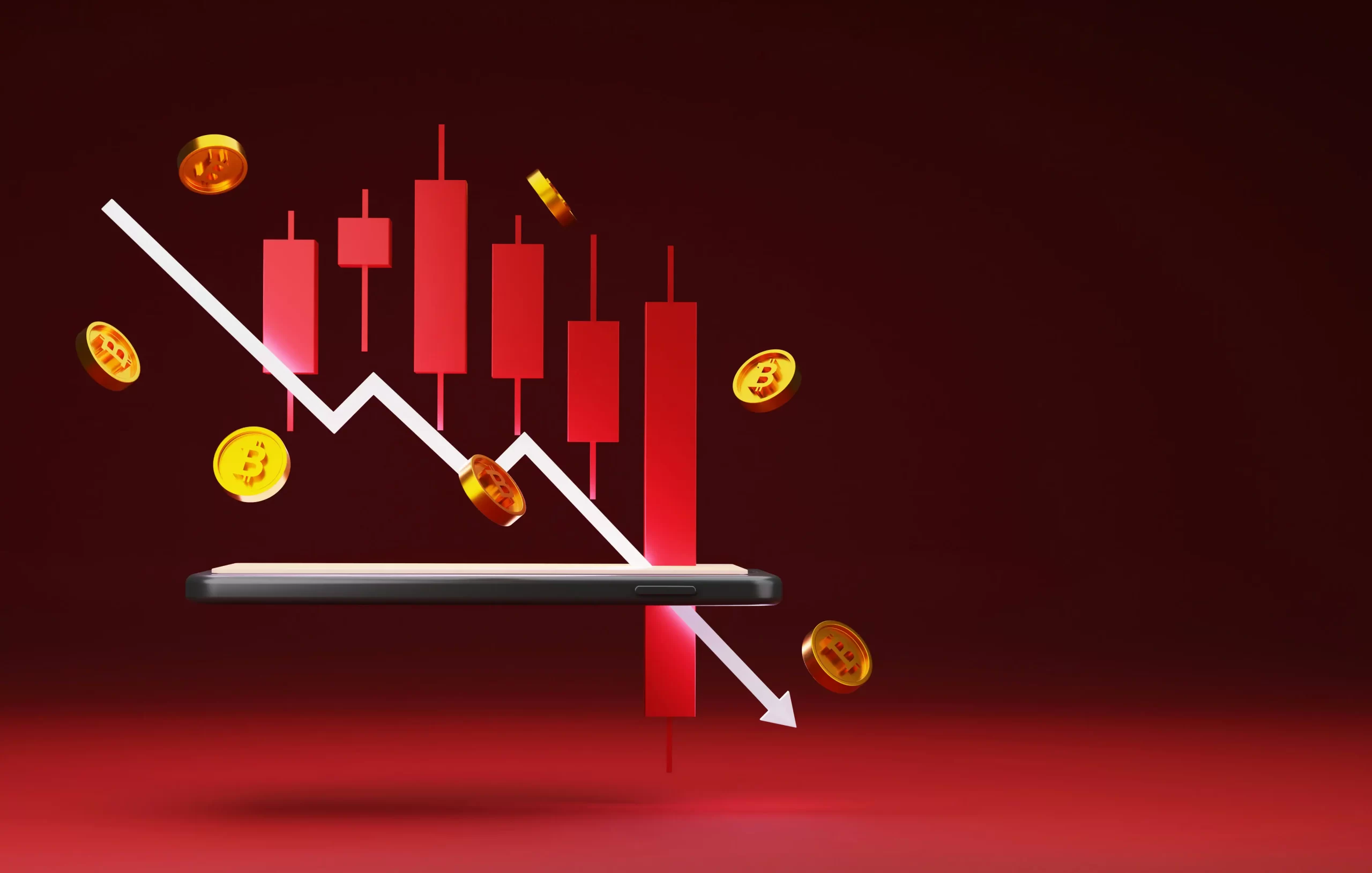
Running a business as a sole trader gives you freedom, but it also means your income can go up and down. Some months are strong, while others feel much tighter. If your expenses are higher than your income for the year, you may make a trading loss.
That can feel worrying at first. No one starts a business hoping to make a loss. But from a tax point of view, a loss is not always wasted. In many cases, it can reduce your tax bill, create a refund, or be carried forward to reduce tax on future profits.
The important part is knowing how the loss has been calculated, what reliefs may be available, and whether using the loss now or saving it for later gives you the better result.
If you are unsure where to start, working with an accountant for sole trader can help you avoid mistakes and make sure the figures are handled properly.
What counts as a sole trader loss?
A sole trader loss usually happens when your allowable business expenses are more than your business income.
For example, if your income for the year is £18,000 and your allowable expenses are £24,000, your trading loss is £6,000.
Allowable expenses can include costs such as stock, tools, software, insurance, advertising, professional fees, travel, office costs, phone bills and a reasonable business use portion of home working costs. The key point is that the expense must be wholly and exclusively for your business.
Need Help With Your Accounts Or Tax?
Whether you need support with self assessment, VAT returns, payroll, bookkeeping, CIS, company accounts or corporation tax, Asmat & Co Accountants can provide clear, practical advice for your business or personal finances.
This is where accurate bookkeeping matters. If your records are messy, you may underclaim costs, overclaim costs, or struggle to prove your figures if HMRC asks questions later. A good self-employed accountant can help you keep your records clear, so your loss is calculated correctly.
Can a sole trader loss reduce your tax bill?
Yes, it can. Depending on your circumstances, your trading loss may be used to reduce taxable income. This can lower your Income Tax bill and, in some cases, create a tax refund if you have already paid tax.
For example, if you made a £6,000 sole trader loss and also had employment income of £30,000, you may be able to set that loss against your other income. If you are a basic rate taxpayer, this could potentially reduce your tax by around £1,200, although the exact result depends on your full income, allowances and tax position.
For the 2026/27 tax year, the standard UK Personal Allowance is £12,570. Class 4 National Insurance for self-employed people also starts on profits above £12,570, with the main rate applying up to £50,270. Because losses reduce taxable trading profits, they can affect both Income Tax and National Insurance calculations.
This is why loss relief should not be treated as a simple box-ticking exercise. The timing of the claim can make a real difference.
Your main options for using sole trader losses
There are several ways a sole trader loss may be used. The right option depends on whether you have other income, whether you are in your early years of trading, whether you expect future profits, and whether the business has stopped trading.
One option is to set the loss against income from the same tax year or the previous tax year. This may be useful if you have already paid tax and want to reduce your current bill or claim a repayment.
Another option is to carry the loss forward. This means keeping the loss and using it against future profits from the same trade. This can be helpful if you expect your business to become profitable and using the loss now would waste your tax-free allowance.
If your business is new, there may also be early trade loss relief. This can apply to losses made in the first 4 tax years of trading and may allow losses to be carried back against earlier income.
If your business has stopped trading, terminal loss relief may apply. This can allow losses from the final 12 months of trading to be carried back against profits from the same trade in earlier years.
Because each option has conditions and time limits, it is worth getting sole trader accountancy services before making a claim.
Should you use the loss now or carry it forward?
This is one of the most important questions.
Using the loss now may be sensible if it creates a useful tax refund or reduces a tax bill you are struggling to pay. For example, if you had employment income, rental income or other taxable income, setting the loss against that income could improve your cash flow.
However, it is not always the best choice. If your income is already low, using the loss immediately may simply reduce income that was already covered by your Personal Allowance. In that case, you may get little or no tax benefit.
Carrying the loss forward may be better if your business is expected to make stronger profits later. For example, if you carry forward an £8,000 loss and make £22,000 profit next year from the same trade, that loss could reduce your taxable trading profit to £14,000.
This is where practical sole trader accounting support can help you look beyond the current year and plan properly.
Restrictions you should know about
HMRC does not allow every loss to be used in every way.
Your trade must normally be run commercially and with a view to making a profit. If the activity is more like a hobby, HMRC may restrict or deny loss relief.
There is also a limit on certain Income Tax reliefs. Where loss relief is claimed against general income, the total relief may be capped at the higher of £50,000 or 25% of adjusted total income. This cap does not usually apply when losses are carried forward and used against future profits of the same trade.
You also need to be careful with partial claims. In some situations, you may not be able to simply choose any amount you like. The way the loss is used, and the order in which relief is claimed, can affect the final tax position.
This is why many accountants for self-employed individuals will review the full picture before deciding which claim is best.
Why bookkeeping makes such a difference
When a business is making a loss, it is tempting to avoid looking at the numbers. But that is exactly when your records matter most.
Clear bookkeeping helps you understand whether the loss is temporary, whether your prices are too low, whether costs are rising too quickly, or whether cash flow needs closer attention.
It also helps you support your claim if HMRC ever asks for evidence. You should keep invoices, receipts, bank records, mileage logs and any notes showing how expenses relate to the business.
Using a certified QuickBooks accountant can make this easier because your income, expenses and reports can be kept in one place throughout the year instead of being pulled together at the last minute.
How losses affect payments on account
Sole trader losses can also affect payments on account.
If you have made payments on account based on a previous profitable year, but your current year income has fallen or turned into a loss, you may be able to reduce your payments on account. This can help with cash flow, but you need to be realistic. If you reduce them too much and your final tax bill is higher than expected, HMRC may charge interest.
A self-assessment tax return accountant can help you decide whether reducing payments on account is sensible based on your actual figures, not guesswork.
What if your business becomes profitable again?
A loss-making year does not mean your business has failed. It may simply mean you invested in equipment, had a quiet period, lost a major client, or had higher start-up costs.
If you return to profit, carried-forward losses can reduce the tax you pay on those future profits. This can give your business some breathing room while it recovers.
The key is to keep track of unused losses. If they are not recorded properly, they may be forgotten, and you could end up paying more tax than necessary.
If you are based locally and want clear, practical support, Asmat & Co provides trusted accountancy services in Slough for sole traders, small businesses and individuals.
When should you speak to an accountant?
You should speak to an accountant if your loss is large, if you have income from more than one source, if you are in the first few years of trading, if you are closing the business, or if you are unsure whether to claim now or carry the loss forward.
You should also get advice if you are moving from sole trader to limited company, because unused losses may need careful planning.
If you are outside Slough, Asmat & Co also supports clients through its team of accountants in Reading, giving you access to clear advice whether you are managing a new business, catching up with tax returns, or planning for future growth.
Final thoughts
A sole trader loss can feel frustrating, but it should not be ignored. Handled correctly, it may reduce your tax bill, improve your cash flow, or lower tax on future profits.
The best approach depends on your personal income, business plans, tax position and HMRC deadlines. Guessing can cost you money, especially if you claim the wrong relief or miss the chance to use the loss properly.
At Asmat & Co, our sole trader accounting services are designed to make your numbers clear, reduce stress and help you stay compliant with HMRC.
If you have made a loss or think your business may make one this year, contact Asmat & Co today. We will review your figures, explain your options in plain English, and help you make the most of the tax relief available to you.
FAQs
Can a sole trader loss reduce my tax bill?
Yes, in many cases it can. You may be able to set the loss against other income, carry it back, or carry it forward against future profits from the same trade. The best option depends on your full tax position.
Can I carry forward sole trader losses?
Yes. If you do not use the loss straight away, you may be able to carry it forward and set it against future profits from the same trade. This can be useful if you expect your business to become profitable later.
Can I claim a tax refund if my sole trader business makes a loss?
You may be able to claim a refund if the loss is set against income on which you have already paid tax, such as employment income or previous year profits. The exact refund depends on your tax rate and available allowances.
Do sole trader losses reduce National Insurance?
They can affect Class 4 National Insurance because this is based on self-employed profits. If your trading profit is reduced by losses, your Class 4 National Insurance position may also change.
Do I need an accountant to claim sole trader loss relief?
You are not legally required to use an accountant, but it is often sensible. Loss relief rules can be complex, and the wrong claim may reduce the benefit you receive. An accountant can help you choose the most tax-efficient option.
Need Help With Your Accounts Or Tax?
Whether you need support with self assessment, VAT returns, payroll, bookkeeping, CIS, company accounts or corporation tax, Asmat & Co Accountants can provide clear, practical advice for your business or personal finances.
