Running your own business in the UK means you have full control over how busy you are and what you earn. However, you will be personally responsible for ensuring your records are accurate and up to date for HM Revenue & Customs (HMRC). Getting into good sole trader bookkeeping habits from the start will help avoid last-minute stress at the end of the year, ensure you claim all the allowable deductions, and keep your business compliant.
Below in the blog, we have outlined the latest HMRC requirements, including what method of accounting, digital requirements, and how long to keep your records for.
What HMRC Requires You To Keep
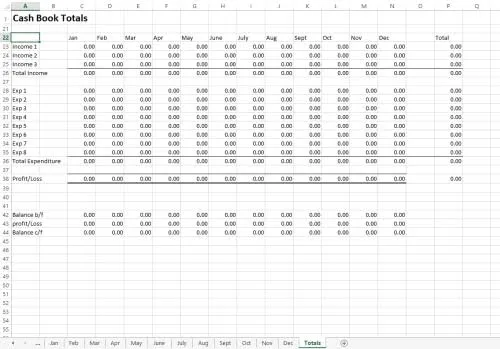
Under UK tax law, HMRC does not require you to use any particular format of ledger for businesses not using Making Tax Digital. However, your records must be complete, clear and accurate. Although you will not include your receipts in your Self Assessment tax return, you should keep clear documentation to back up all the figures you report.
To keep good sole trader accounts, you should keep track of:
- Sales and Income – All sales invoices issued, till rolls, payment processor statements and cash received.
- Allowable Expenses – All purchase invoices, supplier receipts, utility bills and software subscriptions that are entirely for your business.
- Banking – Monthly bank statements, paying-in slips, and any personal funds added or removed from your business bank account.
- Mileage/Home Working – Mileage logs or home working hours if you are claiming simplified expenses.
- VAT/PAYE – If you are above the VAT registration threshold (£90,000+ taxable turnover), you will need to keep digital records of your VAT. If you have any staff, then you will also need to keep PAYE records.
Cash Basis vs Traditional
Since 6th April 2024, cash basis accounting has been the default method of accounting for qualifying sole traders and partnerships in the UK. The previous £150,000 turnover limit has been removed. However, qualifying businesses can choose to use traditional accounting instead.
Below is a breakdown of how each method of accounting will affect your sole trader accounts:
| Accounting Feature | Cash Basis (Default) | Traditional |
|---|---|---|
| Income | Recorded when money is received into your bank account. | Recorded when you issue an invoice or when the income is earned. |
| Expenses | Recorded when you pay your supplier. | Recorded when the expense is incurred. |
| Outstanding Invoices from Customers | Not taxed until they are received – this protects your cash flow if your customers are slow payers. | Immediately included within your taxable turnover. You will need to make adjustments for bad debts. |
| Best For | Freelancers, consultants and tradespeople who have little stock. | Businesses with high levels of stock, complicated credit terms or looking for outside funding. |
Making Tax Digital (Income Tax)
There is a big change to how tax is administered in the UK. From 6th April 2026, you will be required to use Making Tax Digital (MTD) for Income Tax. This is based on your total gross qualifying income from self-employment and property:
Need Help With Your Accounts Or Tax?
Whether you need support with self assessment, VAT returns, payroll, bookkeeping, CIS, company accounts or corporation tax, Asmat & Co Accountants can provide clear, practical advice for your business or personal finances.
- From 6th April 2026 – If you are a sole trader or landlord with qualifying income of over £50,000 in 2024/25, you will be required to use MTD.
- From 6th April 2027 – If you are a sole trader or landlord with qualifying income of over £30,000, you will be required to use MTD.
- From 6th April 2028 – It is expected that sole traders and landlords with qualifying income of over £20,000 will be required to use MTD.
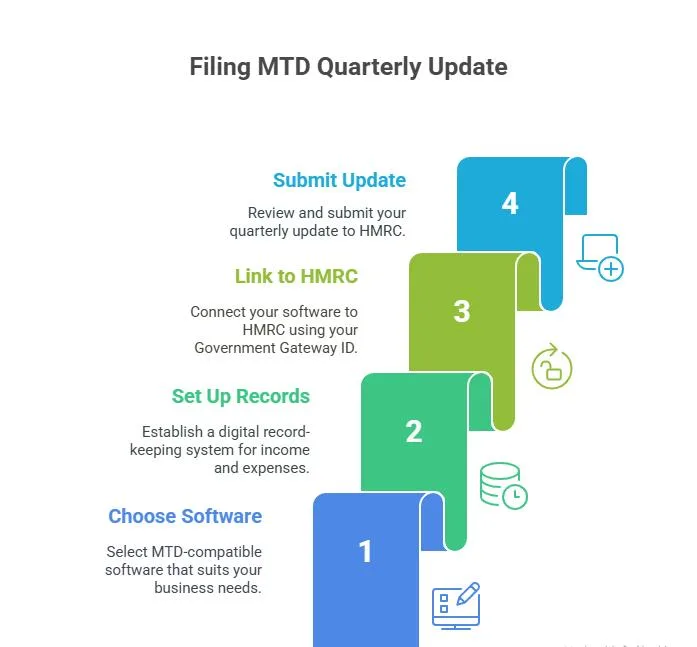
If you are affected by Making Tax Digital, all you will be required to keep are digital records. You will need to send 4 updates to HMRC throughout the year (7th August, 7th November, 7th February and 7th May). You will also need to submit your final tax return by 31st January. Using a cloud-based bookkeeping system (usually costing between £10-£30 per month) will allow you to automatically import your bank feeds, scan your receipts using a mobile app and submit your MTD updates.
Pro Tip – Although not legally required, it is recommended that you open a business bank account. This will help you avoid hours of stress at the end of the year, as you will have all your business transactions in one place. It will also make it easier for HMRC to review your accounts.
HMRC has strict rules about how long you need to keep your records as a self-employed individual. You must keep your business records for a minimum of 5 years after the 31st January deadline. For example, if you submit your 2025/26 Self Assessment return online by 31st January 2027, you will need to keep all your invoices, receipts and bank statements until at least 31st January 2032.
Keeping good sole trader accounts will help you to legally reduce your taxable profit by claiming allowable expenses. You will claim your actual expenses for stock, equipment, insurance and accountancy. However, you can also claim simplified expenses for your vehicle (45p per business mile for the first 10,000 miles) and home working (£10, £18 or £26 per month depending on how many hours you work per month).
FAQ’s
Do I legally need a business bank account?
No. As sole traders are not a separate legal entity, you are not legally required to have a business bank account. However, accountants highly recommend you use one to avoid mixing your personal expenses and to make your bank reconciliations easier.
Can I use a spreadsheet?
Yes. As long as your qualifying income is below the MTD thresholds. If you go above the MTD threshold, you can still use a spreadsheet, but it must be linked to HMRC using approved bridging software.
What if I lose a receipt?
HMRC expects you to have documentation to back up all your expenses. If you lose your receipt, you should keep your bank or credit card statement along with your order confirmation email. If you cannot prove your expense, then HMRC may not allow you to claim the tax relief.
How often should I update my sole trader records?
It is best practice to update your records and do your bank reconciliations weekly or monthly. This will help you avoid losing any receipts, give you an accurate idea of how much Income Tax and Class 4 National Insurance you will owe and prepare you for your quarterly MTD updates.
If you need help keeping your records in order or moving onto Making Tax Digital, visit our Bookkeeping page or get in touch with the Asmat & Co Accountants!
Need Help With Your Accounts Or Tax?
Whether you need support with self assessment, VAT returns, payroll, bookkeeping, CIS, company accounts or corporation tax, Asmat & Co Accountants can provide clear, practical advice for your business or personal finances.