Registering for Value Added Tax (VAT) is a key milestone for any growing business. Whether you are a sole trader, partnership, or limited company, having an understanding of how to register for VAT in the UK will ensure you don’t incur any unnecessary penalties from HMRC.
Value Added Tax is a consumption tax that must be charged on most goods and services sold by any registered UK business. Once you register, you will charge VAT on your eligible sales and be able to reclaim VAT on your eligible business expenses. If you are looking to prepare your records for our VAT Returns page, this guide will give you the latest information on thresholds, how to register and what needs to happen once you are registered.
When Should I Register for VAT?
The VAT registration threshold for 2026/27 is a mandatory £90,000 of VATable turnover. This will be your gross sales of standard-rated (20%), reduced-rated (5%), and zero-rated (0%) supplies. It does not include your net profit. Supplies which are exempt from VAT, such as some financial or educational services, are not counted.
There are 2 rules to be aware of when registering for VAT.
- Rolling 12 Month Rule – If you have a taxable turnover of more than £90,000 in any rolling 12-month period, you must notify HMRC within 30 days of the end of the month. You will be registered as of the first day of the second month.
- 30 Day Rule – If you expect to exceed the £90,000 threshold in the next 30 days, you must apply.
Current UK VAT Thresholds & Rates
The table below shows the current thresholds and standard rates.
| Category | Amount | Rule |
|---|---|---|
| Mandatory Registration | £90,000 | Must register if you exceed £90,000 VATable turnover in any rolling 12 months or in the next 30 days. |
| Deregistration Threshold | £88,000 | You can apply to deregister if your turnover is below £88,000. |
| Standard Rate | 20% | Standard rate charged on most taxable goods and services. |
| Reduced & Zero Rates | 5% & 0% | Charged on certain items. |
How to Register for VAT
Many growing business owners ask us how to register for VAT in a smooth way so as not to disrupt their invoicing. By following these steps, you will not experience any unnecessary delays.
- Prepare your information – Have your Unique Taxpayer Reference (UTR) or Company Registration Number, National Insurance Number (sole traders only), Bank Details and Turnover ready.
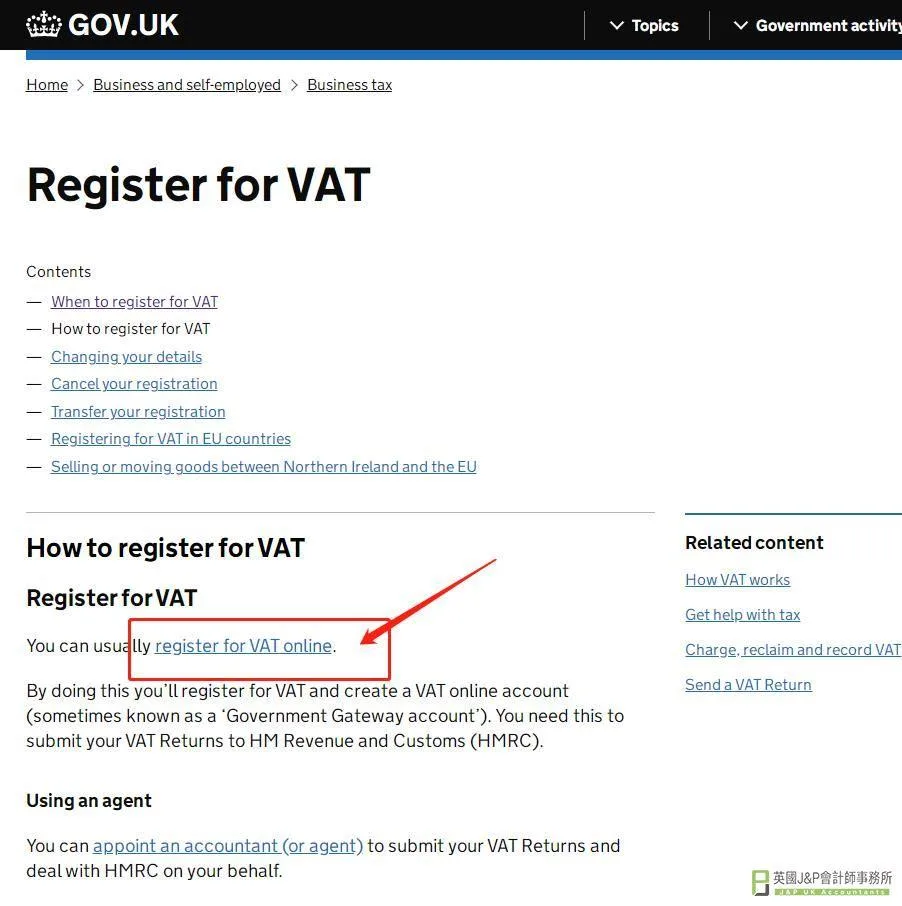
- Apply online – Apply via HM Revenue and Customs’ VAT online portal using your Government Gateway login details.
- Choose your scheme and date – Choose your registration date and which scheme best suits your cash flow – standard accruals, Cash Accounting or Flat Rate Scheme.
- Receive your VAT certificate – Once HMRC confirms your details, they will issue you with a 9-digit VAT number.
Should I Register Voluntarily?
If you supply goods or services to VAT-registered corporate clients and have high start-up costs, then it may be worth considering registering voluntarily. If you have business-to-business clients, you will be able to charge VAT, but they will be able to reclaim it, meaning your net prices are still competitive. You will also be able to reclaim VAT on your equipment and software. However, if you mainly sell to private clients, adding 20% VAT may put you at a disadvantage.
Need Help With Your Accounts Or Tax?
Whether you need support with self assessment, VAT returns, payroll, bookkeeping, CIS, company accounts or corporation tax, Asmat & Co Accountants can provide clear, practical advice for your business or personal finances.
Top Tip – Until you have received your official VAT number, you will not be able to show VAT on your invoices. You should increase your prices by approximately 20% to cover this cost. Once HMRC has confirmed you are registered, you can issue your official VAT invoices.
Once Registered
Once you have completed the steps above and received your 9-digit VAT number, you will have some responsibilities to complete. All businesses must keep digital VAT records using HMRC-approved accounting software under Making Tax Digital rules.
You must charge the correct VAT rate on your taxable sales, produce compliant VAT invoices and submit digital returns. These are usually done quarterly.
FAQ
How long does HMRC take to process my VAT registration?
As HMRC has a process in place, it should take 30-40 working days to process your application. You will then receive your certificate in your online business tax account.
Can I reclaim VAT on purchases before I registered?
Yes. HMRC allows new businesses to reclaim input VAT on goods purchased up to 4 years before registration (as long as they still have them in stock and are using them) and services purchased within 6 months.
What happens if I don’t register on time?
If you don’t register within the 30-day window, you will still be liable to pay HMRC VAT on your taxable sales from your registration date. You may also incur a late registration penalty.
Do I need an accountant to handle my VAT registration?
Whilst you can register yourself, having an accountant in the UK will ensure you choose the correct VAT scheme, avoid any errors with your registration date, and ensure you are compliant with Making Tax Digital.
For a helpful visual overview of how UK small businesses track the £90,000 turnover limit and avoid late registration pitfalls, watch UK VAT Thresholds 2026 Explained.
If you need help with your VAT registration or quarterly submissions, visit our VAT Returns page or get in touch with Asmat & Co Accountants!
Need Help With Your Accounts Or Tax?
Whether you need support with self assessment, VAT returns, payroll, bookkeeping, CIS, company accounts or corporation tax, Asmat & Co Accountants can provide clear, practical advice for your business or personal finances.