As a self-employed professional, it is important to understand how your tax obligations work. One of the most commonly asked questions by self-employed professionals and freelancers is whether sole traders pay VAT . The answer is that it depends on how much you are making from your business. If you wish to voluntarily register for VAT, then yes, you will pay VAT. This is because Value Added Tax (VAT) is a consumption tax that is added onto most goods and services provided by registered businesses in the UK.
Understanding how HMRC assesses your turnover and how they control your registration and tax submissions will ensure that your business remains fully compliant. If you are preparing your records for our VAT Returns page, this guide will help you understand everything you need to know about being a self-employed professional.
Understanding VAT Requirements as a Self-Employed Professional
When running your own business, you will have more tax obligations than just Income Tax and Class 4 National Insurance. Many new self-employed professionals ask if sole traders automatically pay VAT. As registration is not mandatory, HM Revenue & Customs will assess how much VAT you, as a sole trader, will pay based on your total taxable turnover over any 12 months. Taxable turnover is the total value of your goods and services that you sold and are not exempt from VAT. This does not take into account your profit, but instead shows how much income you have made from your business. This is your total income before taking any business expenses into account.
When will you have to register?
The current VAT threshold for sole traders is £90,000. You will be required to apply for sole trader and VAT registration if:
- You have a taxable turnover of more than £90,000 in any 12 months.
- You expect to have a taxable turnover of more than £90,000 in the next 30 days.
If you are over the 12-month threshold, you must inform HMRC within 30 days of the end of the month you went over. If you don’t register on time, you may face unexpected penalties.
Key Thresholds and Registration
Below is a table showing you the key figures to consider when looking at HMRC rules for self-employed businesses.
| Metric | Threshold/Rate | Description |
|---|---|---|
| Compulsory Registration | £90,000 | The amount you must register for VAT as a sole trader. |
| Deregistration | £88,000 | The amount you can apply to deregister from VAT as a sole trader. |
| Standard Rate | 20% | The standard rate of VAT charged on most taxable goods and services. |
| Voluntary Registration | £0 (Any Turnover) | You can choose to register for VAT if you are a start-up and have less than £90,000 turnover. |
Can I register for VAT if I am below the threshold?
A common question we get asked is: can I register for VAT as a sole trader if my turnover is below £90,000? Yes. Many self-employed professionals choose to voluntarily register for VAT even if they are not making much.
Need Help With Your Accounts Or Tax?
Whether you need support with self assessment, VAT returns, payroll, bookkeeping, CIS, company accounts or corporation tax, Asmat & Co Accountants can provide clear, practical advice for your business or personal finances.
Being a VAT-registered sole trader can have some benefits and downsides:
- Looks professional – Being VAT-registered can look like you have an established business.
- Claim back – You can claim back the VAT you have paid on any business-related purchases, equipment, software and professional services.
- Administrative – You will have to charge standard VAT on your invoices, keep your records digitally (Making Tax Digital compliant) and submit regular quarterly returns.
- Pricing – If your main customers are members of the public who cannot claim back VAT, you may find your prices go up by 20%, making you less competitive.
Managing Your VAT as a Self-Employed Professional under Making Tax Digital
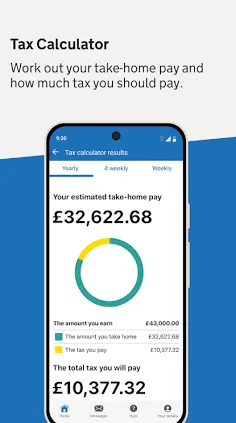
Once you have gone over your thresholds, you will need to follow HM Revenue & Customs rules to the letter. All businesses that are registered for VAT will need to keep their accounts digitally under Making Tax Digital.
Tip: You should keep your accounts up to date by reconciling your sales and expenses each month. This will help you avoid any surprises with your cash flow.
FAQs
What if my turnover goes down?
If your taxable turnover falls below the deregistration threshold (£88,000), you can apply to HMRC to deregister. However, you will need to apply and show that your future turnover will be below the threshold.
Are all goods and services charged at the standard rate?
No. Some goods and services are charged at a reduced rate of 5%. Some are zero-rated (0%), and some are exempt. Zero-rated goods will still count towards your threshold.
Can I claim back VAT on expenses before registration?
Yes. Under certain HMRC rules, you can claim back VAT on goods purchased up to 4 years before you registered and services purchased within 6 months. This is provided you still have the goods.
How do I deal with overseas clients?
Dealing with overseas clients can be complicated with place of supply rules and reverse charges. Speak to a qualified accountant to ensure you are dealing with them correctly.
Need help understanding VAT thresholds or submitting your quarterly returns? Take a look at our VAT Returns page or get in touch with our specialist UK accountants.
For any sort of help or have queries, feel free to contact Asmat & Co Accountants!
Need Help With Your Accounts Or Tax?
Whether you need support with self assessment, VAT returns, payroll, bookkeeping, CIS, company accounts or corporation tax, Asmat & Co Accountants can provide clear, practical advice for your business or personal finances.