Alongside your Self Assessment tax return, many freelancers, landlords and company directors are surprised to see a payment on account added to their January tax bill. This means you’ll be paying half of the expected tax bill for the current year in advance.
Understanding how payment on account works will ensure you accurately plan your cash flow and avoid any penalties. This guide will help you understand the latest rules, 2026/27 key dates and how to plan.
Understanding HMRC Payment on Account
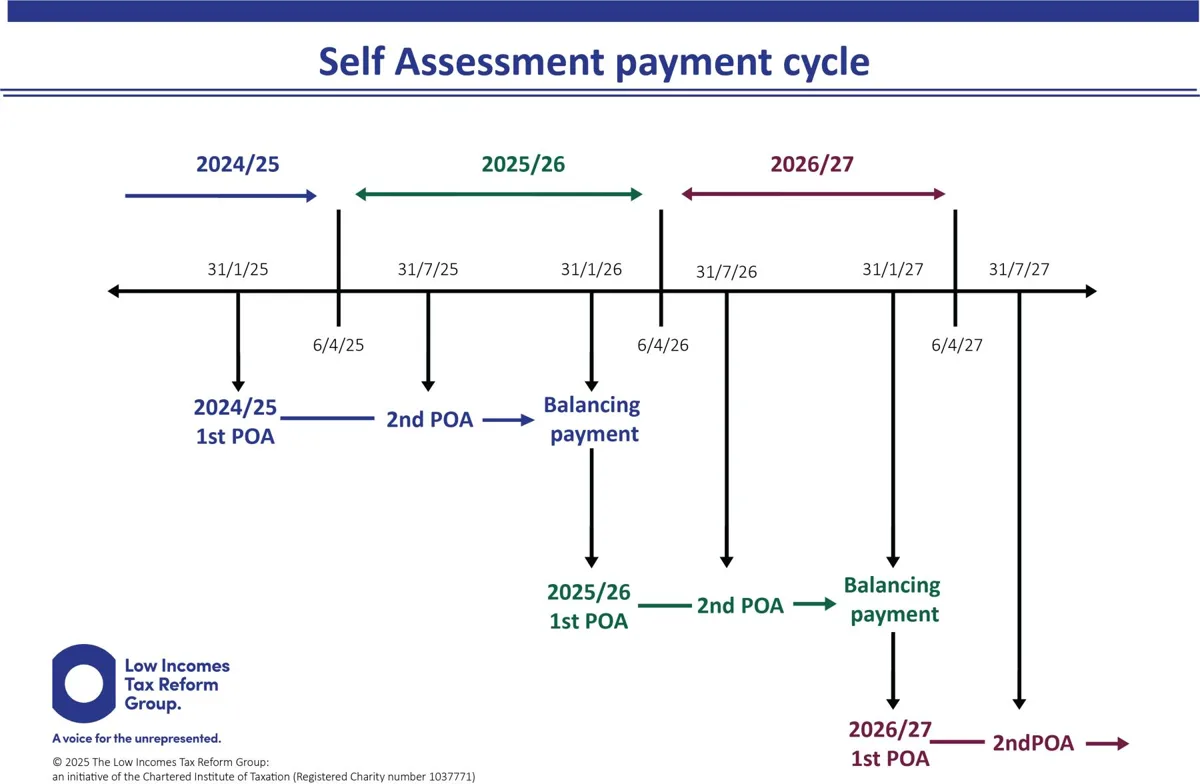
A payment on account is an amount paid to HMRC in advance of your Self Assessment tax bill. This is designed to help you pay your tax in smaller chunks throughout the year.
Each payment on account is calculated as 50% of your relevant Self Assessment liability from the previous tax year. This will only include:
- Income Tax on untaxed profits, dividends and rental income.
- Class 4 National Insurance Contributions (NICs) on self-employment profits that exceed the threshold.
Understanding how payment on account is calculated will help you avoid any surprises and ensure you have enough money set aside.
Who Needs to Pay?
Not everyone will need to pay a payment on account. HMRC has strict rules that if you meet either of the below criteria, you won’t need to pay.
- £1,000 Threshold – If your total Self Assessment tax bill for the previous tax year is less than £1,000, you won’t need to pay.
- 80% At Source – If more than 80% of your total tax liability from the previous tax year has been collected at source, for example, your Employer has a PAYE tax code, you won’t need to pay.
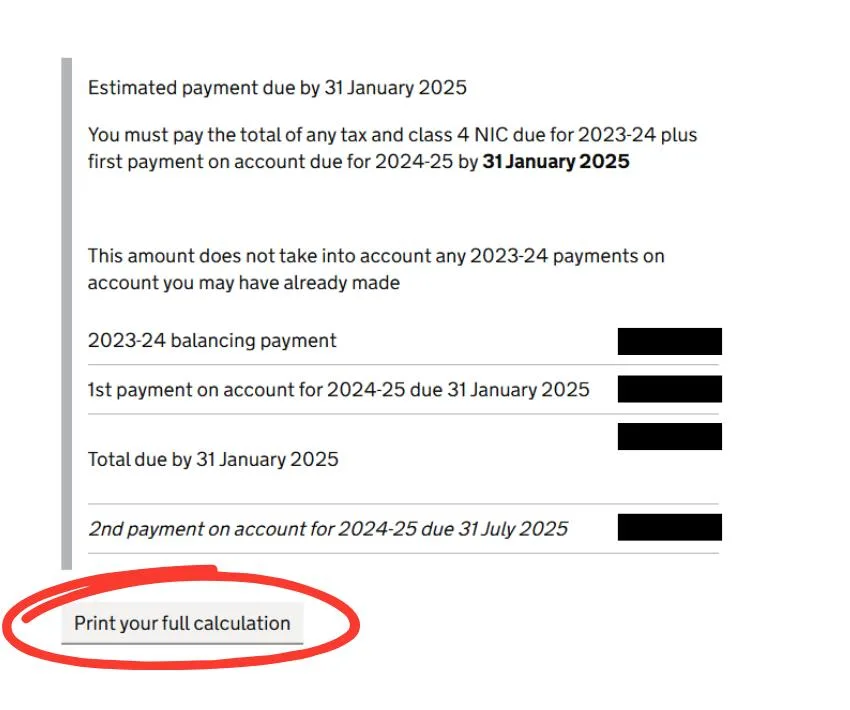
If you don’t meet any of these criteria, HMRC will automatically calculate 2 payments on account for you. These will appear on your Self Assessment statement.
Need Help With Your Accounts Or Tax?
Whether you need support with self assessment, VAT returns, payroll, bookkeeping, CIS, company accounts or corporation tax, Asmat & Co Accountants can provide clear, practical advice for your business or personal finances.
Key Dates and Calculations
Under normal circumstances, you will need to pay your first payment on account by midnight on 31st January. Your second payment on account will be due by midnight on 31st July. If you are submitting your tax return for the 2025/26 tax year (ending 5th April 2026), you will need to pay for your 2026/27 tax year as follows:
| Taxpayer Type | Tax Type | 31st Jan 2027 | 31st July 2027 | Calculation |
|---|---|---|---|---|
| New Taxpayer (No previous payments) | 2025/26 Tax Bill and 2026/27 Payment | 100% of 2025/26 + 50% 2026/27 Payment on Account | 50% 2026/27 Payment on Account | Based on final tax calculation on your SA302. |
| Existing Taxpayer (Previous payments) | 2025/26 Settlement and 2026/27 Payment | Any amount you owe from 2025/26 + 50% 2026/27 Payment on Account | 50% 2026/27 Payment on Account | Net of any advance payments made in 2026. |
| Exempt Taxpayer (Bill <£1000 or >80% PAYE) | 2025/26 Final Bill | 100% of 2025/26 Tax Bill | £0.00 | Fully settle your 2025/26 liability. |
New taxpayers will need to pay the full amount of their previous tax bill and 50% of their tax bill for their first year. This means they will pay 150% of their tax bill in January.
Top Tip: If you are submitting your tax return for 2025/26, we recommend you complete this much earlier than 31st January 2027. Ideally, aim to complete your tax return in Autumn 2026. Whilst this doesn’t give you an earlier deadline to pay, you will know exactly how much you will be paying months in advance. This means you can save up in a high-interest business savings account.
Balancing Payment
Since your payments on account are based on your previous year’s earnings, it is unlikely you will earn the same amount in your new tax year. Once you’ve submitted your final tax return (after 5th April), HMRC will compare your actual tax liability to your payments on account.
- If you are paying more than expected: You will need to pay the difference by midnight on 31st January after the tax year has ended.
- If you are paying less than expected: HMRC will credit your Self Assessment account. You can use this to reduce future liabilities or receive a direct tax refund.
For example, if you expect to pay £4,000 in tax for your 2025/26 tax year but have already paid £3,000 in advance payments during 2026. On 31st January 2027, you will need to pay £1,000 as a Balancing Payment. You will also have to pay £2,000 as your first payment on account for your 2026/27 tax year. This means you will pay a total of £3,000.
How to Reduce Your Payment on Account
HMRC will assume your profits will stay the same from one year to the next. However, if your taxable profits reduce during 2026/27 (for example, you had fewer clients, higher allowable business expenses or lower rental yields), you won’t need to pay extra.
You can formally request to reduce your payments on account using your HMRC Personal Tax Account or Form SA303.
FAQ
Are Capital Gains Tax and Student Loans included?
No. Payments on account only include Income Tax and Class 4 NICs. Any Capital Gains Tax on property or assets, and Student Loan repayments based on your income, will need to be fully paid as part of your Balancing Payment on 31st January.
What happens if I miss the 31st January or 31st July deadline?
HMRC will charge interest on late payments. This will be charged from the day after the deadline at the Bank of England base rate plus 4%. Although you won’t be charged the automatic 5% surcharge for late payments on your payments on account, you will be charged interest continuously.
Will I need to pay payments on account if I have a full-time PAYE job and some freelance income?
Usually you won’t if your total Self Assessment bill after PAYE deductions is less than £1000 or more than 80% of your total income tax is paid through your employer.
Can my accountant calculate if I should reduce my payments?
Yes. An accountant in the UK can look at your management accounts halfway through the year, predict your expected annual profits, and submit an accurate reduction. This will ensure you don’t risk HMRC charging interest whilst keeping your working capital.
If you need help with your upcoming tax return or predicting your payments on account, visit our Self Assessment tax return page or contact Asmat & Co Accountants !
Need Help With Your Accounts Or Tax?
Whether you need support with self assessment, VAT returns, payroll, bookkeeping, CIS, company accounts or corporation tax, Asmat & Co Accountants can provide clear, practical advice for your business or personal finances.